The ancient art: Storytelling
The oldest maps of story and the newest research put story turns in the same structural positions.

 By Meehna Goldsmith and DW Ferrell
Long before anyone wrote a screenplay, people told stories by firelight, in temples, at royal courts and in market squares. Many of those cultures also tried to say why some stories hold an audience and others lose it.
Those explanations are maps of a story: where it begins, where it turns, and how it ends. Four of the oldest were drawn far apart, and for different reasons. One is built on action, one on contrast, one on emotion, and one on connection.
Laid side by side, they turn in the same positions. We call those turns the Anchor Beats: turns that take their meaning from where they stand among a story’s three acts. They are not a template to fill in. They are a lens. Once you can see them, you find them in every tradition that has thought about story, and in the stories you read next.
First come the four oldest maps. Then the Odyssey, turn by turn, on the Anchor Beats. Then thirty maps, from Aristotle to Save the Cat, laid across the same three acts, and what they agree on.
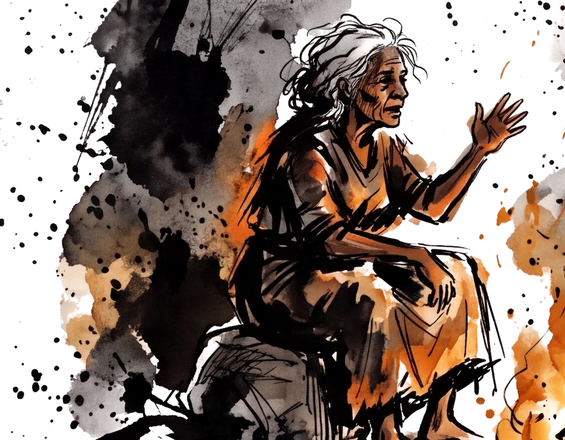
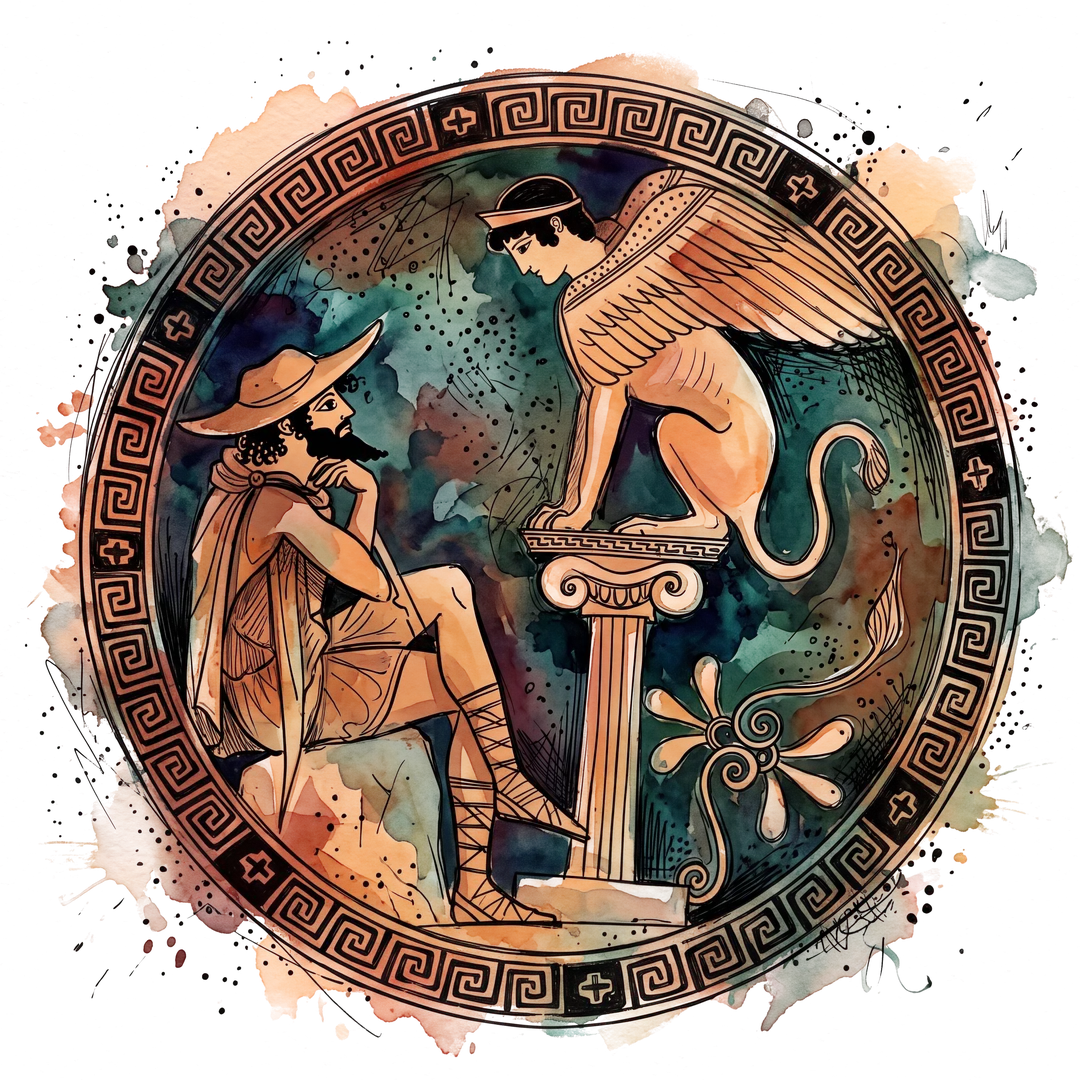 Aristotle's Poetics
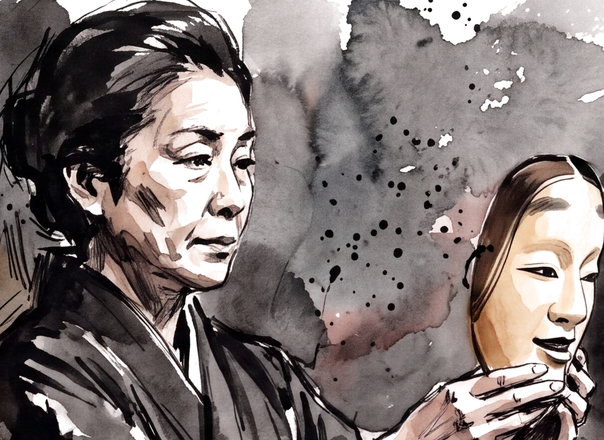
 Kishōtenketsu
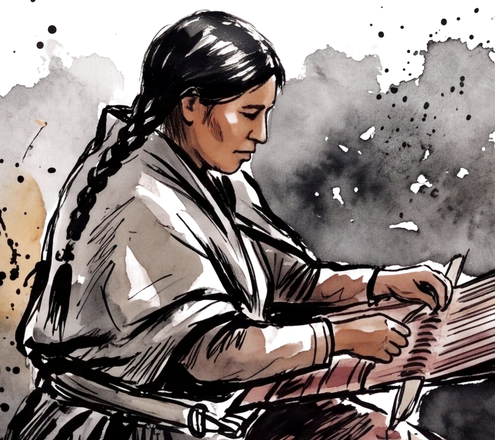
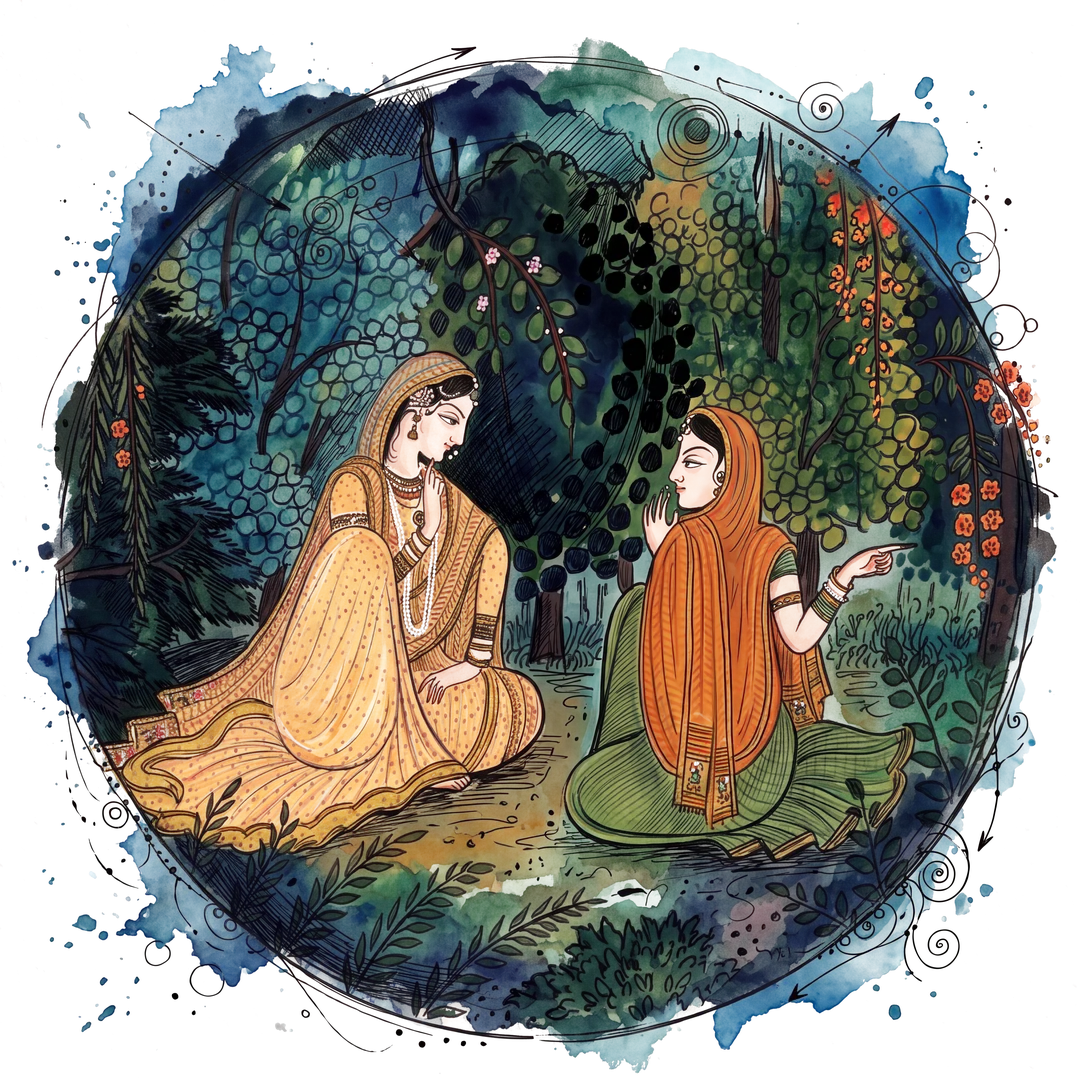 The Natyashastra
 The griot's epic, Sunjata
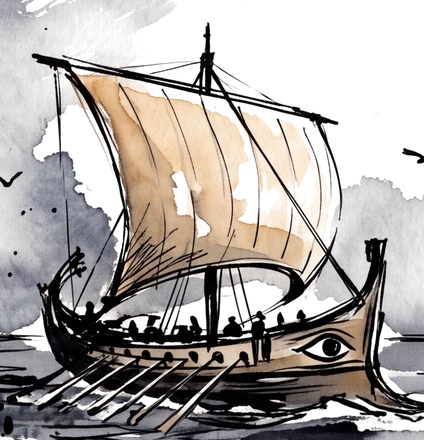
The Odyssey, turn by turn.
A map is easier to read with a story on it. The Odyssey is nearly three thousand years old, Christopher Nolan brought it back to the screen in 2026, and Aristotle summed it up in three sentences.
A certain man has been abroad many years; Poseidon is ever on the watch for him, and he is all alone. Matters at home too have come to this, that his substance is being wasted and his son's death plotted by suitors to his wife. Then he arrives there himself after his grievous sufferings; reveals himself, and falls on his enemies; and the end is his salvation and their death. This being all that is proper to the Odyssey, everything else in it is episode.
Behind the next stretch of this page, three columns stand for a story’s three acts, each with its stretch: the Status Quo, the Plot Goal and the Emerging Pursuit. The Anchor Beats run along the bottom. Scroll to follow the poem through them.
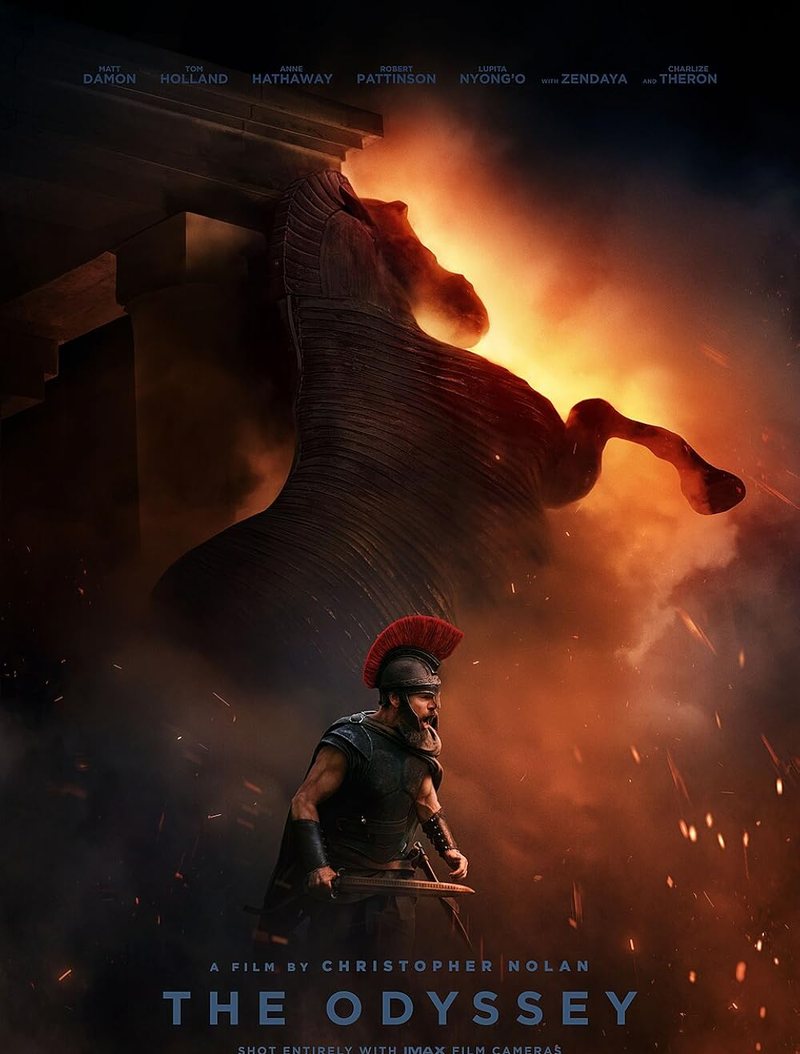
- Status Quo. Held on Calypso’s island for seven years, while suitors devour his house. (Books 1 and 5.) From the poem, Book V: “And there she found him sitting on the shore, and his eyes were never dry of tears, and his sweet life was ebbing away as he mourned for his return…” Film still: Calypso holds Odysseus on her island.
- Inciting Incident. The gods decide he goes home, and Hermes orders his release. (Book 5.) From the poem, Book V: “…tell unto the nymph of the braided tresses my unerring counsel, even the return of the patient Odysseus…” Film still: Odysseus faces Calypso at the water’s edge.
- Commitment. He builds a raft and puts to sea. (Book 5.) From the poem, Book V: “And goodly Odysseus rejoiced as he set his sails to the breeze.” Film still: Odysseus at sea on his ship by night.
- Plot Goal. Get home to Ithaca, to his wife and his own house. His wanderings are told in flashback, at the Phaeacian court. (Books 5–12.) From the poem, Book I: “But Odysseus yearning to see if it were but the smoke leap upwards from his own land, hath a desire to die.” Film still: Odysseus leads his men ashore from the ship.
- Strategy Change, the Midpoint. Home at last, he learns from Athena that suitors fill his house, and she disguises him as a beggar. The goal stays the same, and the strategy changes to stealth. (Book 13 of 24.) From the poem, Book XIII: “Therewith Athene touched him with her wand. His fair flesh she withered on his supple limbs… and over all his limbs she cast the skin of an old man…” Film still: Odysseus in the beggar’s rags beside Athena.
- Apparent Verdict. Mocked and abused in his own hall, he hears Penelope agree to marry whoever wins a contest. (Books 18–20.) From the poem, Book XIX: “Lo, even now draws nigh the morn of evil name, that is to sever me from the house of Odysseus…” Film still: Antinous, the loudest of the suitors, in the hall.
- Emerging Pursuit. Stop hiding, and take back his house in the open. (Books 21–24.) From the poem, Book XX: “Endure, my heart; yea, a baser thing thou once didst bear…” Film still: Penelope in the hall on the day of the contest.
- Plot Twist. Penelope sets the contest of the bow. The suitors fail to string it, and the bow comes to the beggar. (Book 21.) From the poem, Book XXI: “…grey-eyed Athene, put it into the heart of the daughter of Icarius, wise Penelope, to set the bow and the axes of grey iron… to be the weapons of the contest, and the beginning of death.” Film still: Penelope holds out the bow.
- Reckoning. He strings the bow, throws off the rags, and names himself. (Books 21–22.) From the poem, Book XXII: “Then Odysseus of many counsels stripped him of his rags and leaped on to the great threshold with his bow and quiver full of arrows…” Film still: Odysseus draws his bow.
- Resolution. Penelope tests him with their bed, and Athena makes the peace. (Books 23–24.) From the poem, Book XXIII: “So he spake, and at once her knees were loosened, and her heart melted within her, as she knew the sure tokens that Odysseus showed her.” Film still: Odysseus at dusk, from the film’s ending.

The Anchor Beats of story, across time and cultures.
The Odyssey is one story on the Anchor Beats. Below are thirty ways that stories have been mapped, from ancient times to recent research.
Each keeps its own names, while their structures are remarkably similar. Each is laid across the same three acts, so you can see where it turns according to the Anchor Beats, and where it parts from them.
They fall into five families of storytelling. Each is named with a Greek word from Aristotle or Homer, and each opens with the map that shows its idea most plainly. Archē opens with four of the oldest story structures in the world, from Greece, China, India and West Africa. Every map shows its points, including the ones between its turns.
From the Greek for beginning: the word Aristotle uses for where a plot starts, and the root of archetype.
Aristotle’s word for plot: the arrangement of the incidents. The screenwriting manuals live here.
Homer’s word for homecoming, and the root of nostalgia: a departure, an ordeal, and a return.
Aristotle’s word for character: what the protagonist wants, what they need, and the moment they see it.
What is suffered, or felt. These are drawn as curves of feeling over the three columns, not as points.
Archē
The first story mapsFrom the Greek for beginning: the word Aristotle uses for where a plot starts, and the root of archetype. The four traditions you met at the start, and two more, from Latin comedy and from the Noh stage. The four open the family: Aristotle, the Natyashastra, Kishōtenketsu and the epic of Sunjata, each drawn for a different reason and each turning where the others do.
Poetics, in its own order
- Beginning (arche)Overlaps the Status Quo
- Complication (desis)Overlaps the Plot Goal
- Change of fortune (metabasis)Apparent Verdict: same position, same meaning
- Unravelling (lusis)Overlaps the Emerging Pursuit
- Reversal (peripeteia)Reckoning: same position, same meaning
- Recognition (anagnorisis)Reckoning: same position, same meaning
- Suffering (pathos)A beat between the turns
- End (teleute)Resolution: same position, same meaning
What to notice
Aristotle orders a plot by cause and effect, not by position. His reversal and his recognition together make the Reckoning, and he thought the finest plots have both at once.
How it was placed
Placed by our reading. Aristotle orders the parts of a plot by cause and effect, not by position.
Source
Poetics chs. 6, 7, 11, 18
Natyashastra, in its own order
- Mukha, the opening / Arambha, the beginningMatches the Status Quo
- Bija, the seed (germ)Inciting Incident: same position, same meaning
- Pratimukha, the progression / Prayatna, the effortMatches the Plot Goal
- Garbha, the development (literally the womb) / Praptyasha, the possibility of attainmentStrategy Change: same position, a different meaning
- Vimarsha, the pauseApparent Verdict: same position, same meaning
- Niyatapti, the certainty of attainmentReckoning: same meaning, a different position
- Nirvahana, the conclusion / Phalagama, the attainment of the result / Karya, the denouementResolution: same position, same meaning
What to notice
Five junctures, each paired with a stage of the hero’s effort. The plot grows from a seed (bija) to its fruit.
How it was placed
Placed by our reading. Glosses from Manomohan Ghosh's translation (1951); chapter numbers differ between recensions.
Source
Natyashastra ch. 21 in Ghosh's translation (1951), ch. 19 in other recensions
Kishōtenketsu, in its own order
- Ki, the introductionMatches the Status Quo
- Sho, the developmentOverlaps the Plot Goal
- Ten, the turnPlot Twist: same position, same meaning
- Ketsu, the reconciliationReckoning: same position, same meaning
What to notice
Four movements. It does not require conflict, and it does not forbid it. The Ten is a curveball where the Plot Twist lands; the meaning turns in the Ketsu, at the Reckoning.
How it was placed
Placed by our reading. Four lines of a poem, placed on three columns.
The griot's epic: Sunjata, in its own order
- The lame son of Sogolon, mocked; a prophecy unfulfilledMatches the Status Quo
- Insulted over baobab leaves, he rises and walksInciting Incident: same position, same meaning
- Driven into exile with his motherCommitment: same position, same meaning
- Grow strong in foreign courtsMatches the Plot Goal
- Soumaoro conquers Mali; envoys find him; exile becomes returnStrategy Change: same position, same meaning
- Soumaoro's sorcery makes him unbeatableApparent Verdict: same position, same meaning
- His sister Nana Triban escapes with Soumaoro's secret: the spur of a white cockPlot Twist: same position, same meaning
- At Kirina the spur-tipped arrow grazes Soumaoro; his power leaves himReckoning: same position, same meaning
- The assembly at Kurukan Fuga; the clans swear to one orderResolution: same position, same meaning
What to notice
Sunjata unites the Mande clans against Soumaoro, and the epic ends in an assembly at Kurukan Fuga, whose charter UNESCO describes as advocating “social peace in diversity.”
How it was placed
Placed by our reading. Our reading of D. T. Niane's 1960 telling; other griots' versions differ.
Source
Niane, Soundjata ou l'epopee mandingue (1960)
Protasis to catastrophe, in its own order
- Protasis (the proposition)Matches the Status Quo
- Epitasis (the tightening)Matches the Plot Goal
- Catastasis (the height)Matches the Emerging Pursuit
- Catastrophe (the turn to the end)Resolution: same position, same meaning
What to notice
Latin comedy in four parts: the proposition, the tightening, the height, and the turn to the end. It fits the three columns as it stands.
How it was placed
Placed by our reading.
Source
Evanthius, De fabula; Scaliger, Poetices libri septem (1561)
Jo-ha-kyū, in its own order
- Jo, the introduction (slow)Matches the Status Quo
- Ha, the breaking (development, quickening)Overlaps the Plot Goal
- Kyu, the rapid closeReckoning: same position, a different meaning
What to notice
A principle of tempo for Noh theater, applied at every scale: the play, the scene, the gesture.
How it was placed
Placed by our reading.
Source
Zeami, Kadensho / Sando
Mythos
Plot as a chain of turnsAristotle’s word for plot: the arrangement of the incidents. The screenwriting manuals live here. The manuals of plot, from Freytag's pyramid to the Story Grid. Its example is Blake Snyder's Save the Cat, which names a beat for nearly every turn and gives each a page number. Plot runs on a clock.
Save the Cat! beat sheet, in its own order
- Opening ImageOpens or closes the story, at the Status Quo
- Set-UpMatches the Status Quo
- CatalystInciting Incident: same position, same meaning
- DebateA stretch between the turns
- Break into TwoCommitment: same position, same meaning
- Fun and GamesMatches the Plot Goal
- MidpointStrategy Change: same position, a different meaning
- Bad Guys Close InA stretch between the turns
- All Is LostApparent Verdict: same position, same meaning
- Dark Night of the SoulA stretch between the turns
- Break into ThreeMatches the Emerging Pursuit
- Gathering the TeamOverlaps the Emerging Pursuit
- Executing the PlanOverlaps the Emerging Pursuit
- High Tower SurprisePlot Twist: same position, same meaning
- Dig Deep DownReckoning: same position, same meaning
- Execution of the New PlanA beat between the turns
- Final ImageOpens or closes the story, at the Resolution
What to notice
His Midpoint is a false victory or a false defeat. His finale’s High Tower Surprise and Dig Deep Down land on the Plot Twist and the Reckoning.
How it was placed
Placed from the author’s own points.
Source
Save the Cat! (2005); the five-point finale in Save the Cat! Strikes Back (2009)
Freytag's pyramid, in its own order
- Introduction (Einleitung)Matches the Status Quo
- Exciting moment or force (erregendes Moment)Inciting Incident: same position, same meaning
- Rise (Steigerung)Overlaps the Plot Goal
- Climax (Hoehepunkt)Strategy Change: same position, a different meaning
- Tragic moment or force (tragisches Moment)Apparent Verdict: same position, same meaning
- Return or fall (Umkehr)Matches the Emerging Pursuit
- Moment or force of the last suspense (Moment der letzten Spannung)Plot Twist: same position, a different meaning
- CatastropheResolution: same position, same meaning
What to notice
Built for five-act tragedy. His climax is in the middle of the play: the same word as today’s climax, in a different position.
How it was placed
Placed from the author’s own points.
Source
Die Technik des Dramas
The Paradigm, in its own order
- Setup (Act I)Matches the Status Quo
- Inciting IncidentInciting Incident: same position, same meaning
- Key IncidentA beat between the turns
- Plot Point ICommitment: same position, same meaning
- Confrontation (Act II)Matches the Plot Goal
- MidpointStrategy Change: same position, a different meaning
- Plot Point IIApparent Verdict: same position, same meaning
- Resolution (Act III)Resolution: same position, a different meaning
What to notice
The paradigm most screenwriters learned first. It has no Plot Twist, and its Resolution names the whole third act.
How it was placed
Placed from the author’s own points.
Source
Screenplay (1979); The Screenwriter's Workbook (1984)
Story, in its own order
- Inciting IncidentInciting Incident: same position, same meaning
- Progressive ComplicationsMatches the Plot Goal
- Act Two ClimaxApparent Verdict: same position, same meaning
- Crisis (the dilemma)Reckoning: same position, same meaning
- ClimaxA beat between the turns
- ResolutionResolution: same position, same meaning
What to notice
Five parts, with an Act Two Climax between them. The crisis is a decision, and McKee says that is where true character is revealed.
How it was placed
Placed from the author’s own points.
Source
Story: Substance, Structure, Style and the Principles of Screenwriting
Six-stage plot structure, in its own order
- SetupMatches the Status Quo
- OpportunityInciting Incident: same position, same meaning
- New SituationA stretch between the turns
- Change of PlansCommitment: same position, same meaning
- ProgressMatches the Plot Goal
- Point of No ReturnStrategy Change: same position, a different meaning
- Complications and Higher StakesA stretch between the turns
- Major SetbackApparent Verdict: same position, same meaning
- Final PushMatches the Emerging Pursuit
- ClimaxA beat between the turns
- AftermathResolution: same position, same meaning
What to notice
His Point of No Return sits at the Midpoint’s position, but it means a full commitment, which we read as the Commitment, at the end of the first column.
How it was placed
Placed from the author’s own points.
Source
Writing Screenplays That Sell (1988, 2011); storymastery.com
Story Engineering, in its own order
- Part 1: SetupMatches the Status Quo
- Inciting incidentInciting Incident: same position, same meaning
- First Plot PointCommitment: same position, same meaning
- Part 2: ResponseMatches the Plot Goal
- MidpointStrategy Change: same position, same meaning
- Part 3: AttackA stretch between the turns
- Second Plot PointPlot Twist: same meaning, a different position
- Part 4: ResolutionResolution: same position, a different meaning
What to notice
His Midpoint, new information that changes the context, is the closest match to the Strategy Change.
How it was placed
Placed by our reading.
Source
Story Engineering (2011)
Seven-point story structure, in its own order
- HookOpens or closes the story, at the Status Quo
- Plot Turn 1Commitment: same position, same meaning
- Pinch 1A beat between the turns
- MidpointStrategy Change: same position, same meaning
- Pinch 2Apparent Verdict: same position, same meaning
- Plot Turn 2Reckoning: same meaning, a different position
- ResolutionResolution: same position, same meaning
What to notice
Designed backward from the ending. His Plot Turn 2 hands the hero the last piece: a Reckoning, placed early.
How it was placed
Placed by our reading.
Source
Lecture series (adapted from the Star Trek Roleplaying Game narrator's guide)
Story structure, in its own order
- HookOpens or closes the story, at the Status Quo
- Inciting EventInciting Incident: same position, same meaning
- First Plot PointCommitment: same position, same meaning
- Midpoint (Moment of Truth)Strategy Change: same position, same meaning
- Third Plot PointApparent Verdict: same position, same meaning
- ClimaxA beat between the turns
- Climactic MomentReckoning: same position, same meaning
- ResolutionResolution: same position, same meaning
What to notice
Her Midpoint, the Moment of Truth, matches the Strategy Change. Her climax leads up to the Climactic Moment, which is the turn.
How it was placed
Placed from the author’s own points. Weiland gives no percentage for the Climactic Moment.
Source
Structuring Your Novel (2013); helpingwritersbecomeauthors.com
The Story Grid, in its own order
- Beginning HookMatches the Status Quo
- Global Inciting IncidentInciting Incident: same position, same meaning
- Beginning Hook climaxCommitment: same position, same meaning
- Middle BuildMatches the Plot Goal
- Middle Build crisis and climaxApparent Verdict: same position, same meaning
- Ending PayoffMatches the Emerging Pursuit
- Ending Payoff crisisReckoning: same position, same meaning
- Global ClimaxA beat between the turns
- Global ResolutionResolution: same position, same meaning
What to notice
Three parts that match the three columns, each with the same five commandments inside it.
How it was placed
Placed by our reading.
Source
The Story Grid (2015)
Equilibrium, in its own order
- Opening equilibriumMatches the Status Quo
- DegradationInciting Incident: same position, same meaning
- State of disequilibriumA stretch between the turns
- Search and recoveryMatches the Plot Goal
- Re-establishment of the initial equilibriumResolution: same position, same meaning
What to notice
Story as a balance broken and restored, in Todorov’s own five elements.
How it was placed
Placed by our reading. Todorov wrote his five elements for one tale, "The Swan-Geese"; the general version taught in schools is a paraphrase.
Source
The Two Principles of Narrative", Diacritics 1.1 (1971); his five elements for the tale "The Swan-Geese
Nostos
The journey out and backHomer’s word for homecoming, and the root of nostalgia: a departure, an ordeal, and a return. The maps drawn from myth and folktale, from Propp to Campbell. Its example is Christopher Vogler's Writer's Journey: an ordinary world left behind, an ordeal at the center, and a return with something won.
The Writer's Journey, in its own order
- Ordinary WorldMatches the Status Quo
- Call to AdventureInciting Incident: same position, same meaning
- Refusal of the CallA beat between the turns
- Crossing the First ThresholdCommitment: same position, same meaning
- Tests, Allies, EnemiesMatches the Plot Goal
- Approach to the Inmost CaveA stretch between the turns
- The OrdealStrategy Change: same position, a different meaning
- Reward (Seizing the Sword)Apparent Verdict: same position, same meaning
- The Road BackMatches the Emerging Pursuit
- ResurrectionReckoning: same position, same meaning
- Return with the ElixirResolution: same position, same meaning
What to notice
Campbell’s journey, rewritten for the screen. The Ordeal sits at the Midpoint by default.
How it was placed
Placed from the author’s own points.
Source
The Writer's Journey (1992, 1998, 2007)
The monomyth, in its own order
- The Call to AdventureInciting Incident: same position, same meaning
- Refusal of the CallA beat between the turns
- The Crossing of the First ThresholdCommitment: same position, same meaning
- The Belly of the WhaleOverlaps the Plot Goal
- The Road of TrialsMatches the Plot Goal
- Atonement with the FatherStrategy Change: same position, a different meaning
- ApotheosisA beat between the turns
- The Ultimate BoonApparent Verdict: same position, same meaning
- Refusal of the ReturnOverlaps the Emerging Pursuit
- The Magic FlightMatches the Emerging Pursuit
- The Crossing of the Return ThresholdReckoning: same position, a different meaning
- Master of the Two WorldsReckoning: same meaning, a different position
- Freedom to LiveResolution: same position, same meaning
What to notice
Built from myth, not film, and Campbell says stages may be missing, doubled or reordered. His Ultimate Boon is a verdict that looks like victory.
How it was placed
Placed by our reading. Campbell says stages may be missing, repeated or reordered.
Source
The Hero with a Thousand Faces (1949)
The Story Circle, in its own order
- You (in a zone of comfort)Matches the Status Quo
- Need (but they want something)Inciting Incident: same position, same meaning
- Go (enter an unfamiliar situation)Commitment: same position, same meaning
- Search (adapt to it)Matches the Plot Goal
- Find (get what they wanted)Strategy Change: same position, a different meaning
- Take (pay a heavy price for it)Apparent Verdict: same position, same meaning
- Return (to their familiar situation)Matches the Emerging Pursuit
- Change (having changed)Reckoning: same position, same meaning
What to notice
Eight steps around a circle. They fall into the three acts as they stand.
How it was placed
Placed by our reading.
Source
Channel 101 tutorials; "Story Structure 101
Morphology of the Folktale, in its own order
- Preparation (functions 1-7)Matches the Status Quo
- Villainy or LackInciting Incident: same position, same meaning
- MediationA beat between the turns
- Beginning CounteractionCommitment: same position, same meaning
- DepartureMatches the Plot Goal
- StruggleStrategy Change: same position, a different meaning
- Liquidation of the lackApparent Verdict: same position, same meaning
- ReturnMatches the Emerging Pursuit
- Pursuit and RescueMatches the Emerging Pursuit
- Unfounded Claims (the false hero)Plot Twist: same position, same meaning
- Difficult Task and SolutionA beat between the turns
- RecognitionReckoning: same position, same meaning
- Exposure, Transfiguration, PunishmentA beat between the turns
- WeddingResolution: same position, same meaning
What to notice
The functions of the Russian wonder tale. Function 21 is called Pursuit, and function 27 is Recognition.
How it was placed
Placed by our reading.
Source
Morphology of the Folktale (1928; English 1958)
The Heroine's Journey, in its own order
- Separation from the feminineMatches the Status Quo
- Identification with the masculine and gathering of alliesA stretch between the turns
- Road of trials: meeting ogres and dragonsMatches the Plot Goal
- Finding the illusory boon of successStrategy Change: same position, a different meaning
- Awakening to feelings of spiritual aridity: deathApparent Verdict: same position, same meaning
- Initiation and descent to the GoddessOverlaps the Emerging Pursuit
- Urgent yearning to reconnect with the feminineA stretch between the turns
- Healing the mother/daughter splitReckoning: same position, a different meaning
- Healing the wounded masculineA beat between the turns
- Integration of masculine and feminineResolution: same position, same meaning
What to notice
A psychological journey, written as a cycle rather than a plot. Its positions here are approximate.
How it was placed
Approximate. Murdock describes a psychological cycle, not a plot template.
Source
The Heroine's Journey (1990)
The Virgin's Promise, in its own order
- Dependent WorldMatches the Status Quo
- Price of ConformityA stretch between the turns
- Opportunity to ShineInciting Incident: same position, same meaning
- Dresses the PartA beat between the turns
- Secret WorldCommitment: same position, a different meaning
- No Longer Fits Her WorldOverlaps the Plot Goal
- Caught ShiningStrategy Change: same position, same meaning
- Gives Up What Kept Her StuckA beat between the turns
- Kingdom in ChaosApparent Verdict: same position, same meaning
- Wanders in the WildernessOverlaps the Emerging Pursuit
- Chooses Her LightReckoning: same position, same meaning
- Re-ordering (Rescue)A beat between the turns
- The Kingdom Is BrighterResolution: same position, same meaning
What to notice
A journey toward an authentic self, written as the counterpart to Campbell’s.
How it was placed
Placed by our reading. Published 2009 (one listing says 2010).
Source
The Virgin's Promise (Michael Wiese Productions; 2009, one listing says 2010)
Ethos
The want and the needAristotle’s word for character: what the protagonist wants, what they need, and the moment they see it. The maps of a character changing. Its example is John Truby's twenty-two building blocks, which run from a weakness and a need, through a desire and a plan, to a self-revelation.
Truby's 22 building blocks, in its own order
- Weakness and needMatches the Status Quo
- Inciting eventInciting Incident: same position, same meaning
- DesireCommitment: same meaning, a different position
- Opponent and/or mysteryA beat between the turns
- First revelation and decisionA beat between the turns
- PlanMatches the Plot Goal
- Opponent's plan and main counterattackStrategy Change: same position, a different meaning
- DriveA stretch between the turns
- Attack by allyA beat between the turns
- Apparent defeatApparent Verdict: same position, same meaning
- Second revelation and decisionMatches the Emerging Pursuit
- Third revelation and decisionPlot Twist: same position, a different meaning
- Gate, gauntlet, visit to deathA stretch between the turns
- BattleA beat between the turns
- Self-revelationReckoning: same position, same meaning
- Moral decisionA beat between the turns
- New equilibriumResolution: same position, same meaning
What to notice
Seventeen of his twenty-two building blocks, his seven key steps among them. His step 14, the apparent defeat, is the precedent for the Apparent Verdict.
How it was placed
Placed by our reading. The 22 names are from secondary sources and are to be checked against the book.
Source
The Anatomy of Story (2007)
The inner journey: identity to essence, in its own order
- Living fully in identity (the wound, the armor)Matches the Status Quo
- A glimpse of essenceA beat between the turns
- Moving toward essence, protected by identityMatches the Plot Goal
- Fully committed to essence, retreating to identityA stretch between the turns
- Retreat into identity (the major setback)Apparent Verdict: same position, same meaning
- Living fully in essence (facing the fear at the climax)Reckoning: same position, same meaning
What to notice
The second track of Hauge’s structure: the armor the hero wears, and the self beneath it.
How it was placed
Placed by our reading.
Source
The Hero's Two Journeys (Hauge and Vogler, 2003); Storytelling Made Easy (2017)
The positive change arc, in its own order
- The Lie, the Want and the Need, in the Normal WorldMatches the Status Quo
- Inciting Event: a first brush with the TruthInciting Incident: same position, same meaning
- First Plot Point: leaves the Normal World, still holding the LieCommitment: same position, same meaning
- The Lie challengedMatches the Plot Goal
- Midpoint: the Moment of TruthStrategy Change: same position, same meaning
- Third Plot Point: the Lie's full costApparent Verdict: same position, same meaning
- Climax: claims the TruthReckoning: same position, same meaning
- Resolution: the Normal World, seen through the TruthResolution: same position, same meaning
What to notice
The lie the character believes, what they want, what they need, and the truth they claim.
How it was placed
Placed by our reading.
Source
Creating Character Arcs (2016)
Pathos
The felt shapeWhat is suffered, or felt. These are drawn as curves of feeling over the three columns, not as points. The maps of what an audience feels, from rasa to studies that measure feeling in text. Its example is the 2016 study's six emotional arcs. Each traces sentiment rising and falling across the same three columns, drawn here as a ribbon that thickens where the feeling is strongest.
Six emotional arcs, in its own order
- Rags to riches; Riches to rags; Man in a hole; Icarus; Cinderella; OedipusA stretch between the turns
What to notice
Reagan’s team measured sentiment across 1,327 stories and found six shapes. Drawn here: Man in a Hole, falling to the Apparent Verdict and climbing out.
How it was placed
Placed from the author’s own points.
Source
EPJ Data Science 5:31 (2016)
Rasa, in its own order
- The dominant rasa (angi rasa), sustained throughoutA stretch between the turns
What to notice
Not a sequence. One dominant flavor of feeling, sustained across the whole work, with the others in its service.
How it was placed
Placed by our reading.
Source
Natyashastra ch. 6-7; Abhinavabharati
Pity, fear, catharsis, in its own order
- Pity and fear, released (katharsis)Reckoning: same position, a different meaning
What to notice
The pity and fear that the reversal and the recognition are built to release. Drawn here: the feeling rising to the Reckoning.
How it was placed
Placed by our reading.
Source
Poetics ch. 6, 13
The shapes of stories, in its own order
- Fortune curve (Man in Hole, Boy Meets Girl, Cinderella, From Bad to Worse...)A stretch between the turns
What to notice
Good and ill fortune, drawn as a curve. Drawn here: Cinderella.
How it was placed
Placed by our reading.
Source
Palm Sunday (1981); his rejected master's thesis; lectures
The meta-plot, in its own order
- AnticipationOverlaps the Status Quo
- Dream (all goes well)Matches the Plot Goal
- FrustrationA stretch between the turns
- NightmareApparent Verdict: same position, same meaning
- Miraculous escape / resolutionResolution: same position, same meaning
What to notice
Under all seven of his plots, five stages of feeling: anticipation, dream, frustration, nightmare, and escape.
How it was placed
Placed by our reading.
Source
The Seven Basic Plots (2004)
Where the maps agree.
Laid across the three acts, the maps agree on position far more than on names. Nearly every map puts a turn in the middle of the second column. The Ten of Kishōtenketsu and the secret that undoes Soumaoro land where the Plot Twist does, as curveballs that send the story toward its main turn. Aristotle’s reversal and recognition land on that turn, the Reckoning. Truby’s apparent defeat and Campbell’s Ultimate Boon sit near the end of the second column, as verdicts that only look final.
They part on meaning. Freytag’s climax sits in the middle, where today’s manuals put the Midpoint. Hauge’s Point of No Return sits at the Midpoint’s position and means a commitment. Some maps end with one person changed, others with a community made whole. The positions hold. What happens in them is the writer’s choice.
For a student of story, that is the useful part. With the Anchor Beats in mind, read any story and ask what happens in each position and whether the story turns there, whatever name a school gives the turn. The same question works on the Odyssey and on a film released this year.
People have always told stories for the same few reasons. We tell them to teach, to warn, to pass on what we have lived, and to share the joy of it. We listen to lose ourselves in another life, and now and then we find our own soul there.
Each of these happens at a turn. A warning lands when the verdict looks final. Joy arrives with the turn that no one saw coming. A soul shows itself in the Reckoning. The Anchor Beats give those turns their names, so that a storyteller can find them in any story, old or new, and build them into the next one.
The oldest of these maps were drawn to say why some stories hold an audience and others lose it. The answer is the same by firelight as it is on a screen.
A story holds us so we can let go.